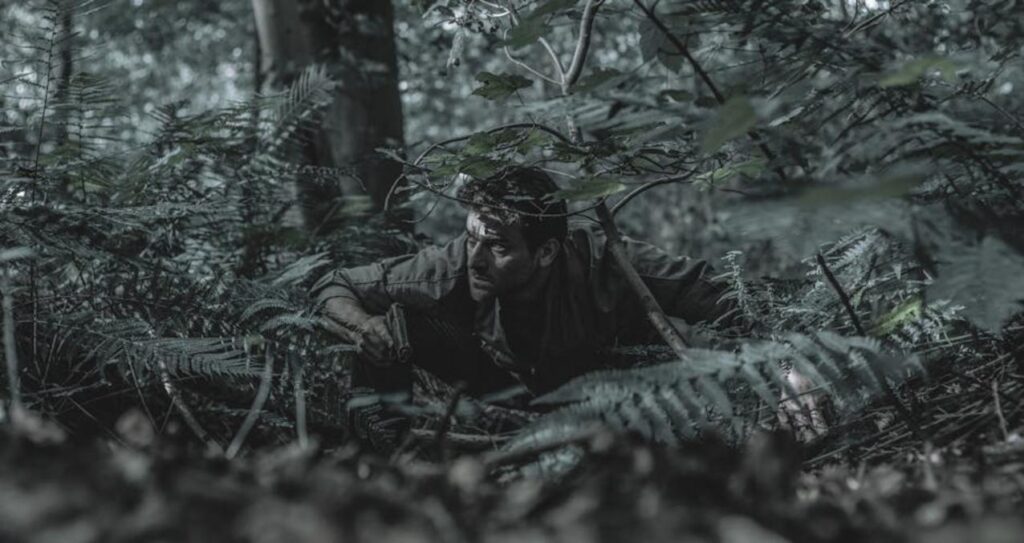
Post-apocalyptic biohazard games have evolved far beyond simple survival mechanics. Today’s players are searching for deeper systems—smarter enemy AI, adaptive environments, meaningful resource scarcity, and the constant tension between stealth vs combat tactics. This article explores how modern biohazard game design is reshaping level progression, environmental storytelling, and in-game survival strategies to create more immersive and strategically demanding experiences.
If you’re looking to understand how evolving level design impacts player decision-making—or how resource management systems influence long-term survival—this guide breaks it down clearly and practically. We analyze current design trends, emerging gameplay innovations, and the mechanics that separate forgettable survival titles from genre-defining experiences.
Our insights are grounded in hands-on gameplay analysis, extensive review of recent post-apocalyptic releases, and deep research into evolving game systems. Whether you’re a player refining strategy or a designer studying mechanics, you’ll find focused, actionable takeaways tailored to your intent.
The Predator’s Mindset: Blending Shadow and Steel
Survival in hostile simulations hinges on mastering transition. Define adaptive cadence—the rhythm at which you shift from silence to force. Most players freeze between stealth vs combat tactics, and that pause is fatal. Recommendation: decide before contact. Ask:
- What resources can I burn?
- What exits stay viable after noise?
If ammo is scarce, remain a ghost; if reinforcements spawn, become the whirlwind. This is threat triage—prioritizing dangers by proximity, awareness, and resource drain. Like switching from Solid Snake patience to Doom Slayer fury, timing defines dominance. Practice micro-commits: short bursts of aggression, immediate resets to cover. Pro tip: leave one escape route untouched. Predators survive because they choose the moment, not the method. Control tempo, control outcome. Always.
Reading the Environment: Your Primary Weapon
Most players scan for enemies first. The real advantage, however, lies in scanning the environment. While others memorize maps, you should analyze patrol paths, sightlines, and verticality as living systems. Patrol paths are predictable movement loops enemies follow; sightlines are uninterrupted visual corridors; verticality refers to elevation layers that alter visibility and access. Competitors often treat these as static features. In evolving levels—collapsing walkways, spreading spores, shifting light sources—they’re dynamic weapons waiting to be triggered.
Meanwhile, mastering light and shadow goes beyond “stay in the dark.” Light is both exposure and bait. Shoot a fixture to manufacture darkness, or lure enemies into backlit choke points where their silhouettes betray them. Games like The Last of Us Part II demonstrate how shadow gradients distort detection ranges (Naughty Dog, 2020). Why fight fairly when photons can do the work?
Equally important, acoustic awareness separates experts from survivors. Sound propagation—how noise travels through space—changes in contaminated zones. Distinguish ambient noise from footstep cadence, then create deliberate distractions using thrown debris or bio-reactive pods. Use stealth vs combat tactics once terrain tilts odds decisively.
Finally, bio-organic hazards aren’t obstacles; they’re force multipliers. Funnel patrols through spore clouds, trigger mutated flora as traps, and let contamination thin numbers before engagement. That’s environmental literacy most guides overlook.
The Art of the Silent Takedown: Efficiency in the Shadows

Target Prioritization
Efficiency begins with identifying high-value threats. In tactical design, target prioritization means eliminating enemies who multiply risk—alarm operators, rooftop snipers, and heavy units with splash damage. Removing an alarm guard first prevents reinforcements; dropping a sniper restores safe traversal lanes. Some players argue brute force clears areas faster. Sometimes it does. But stealth vs combat tactics often determines whether you conserve rare ammo and medkits for the real boss encounter (and in post-collapse worlds, scarcity is king).
The Anatomy of a Ghost Kill
A ghost kill is a takedown executed without detection, noise spikes, or environmental disruption. It involves line-of-sight mapping, sound radius awareness, and exit planning before the first step forward. Approach from blind angles, strike during animation gaps, then reposition immediately. Body disposal matters because AI patrol paths often include “discovery triggers.” Skipping this step invites cascading alerts. Pro tip: always plan your retreat before your attack.
Tool and Gadget Synergy
Non-lethal tools amplify silent weapons. Smoke grenades obscure thermal optics, sonic emitters redirect patrol routes, and EMP bursts disable automated turrets for 6–10 seconds in many modern systems. Layering these creates multi-target windows where enemies are isolated and vulnerable.
The Controlled Alert
A controlled alert intentionally triggers a minor disturbance to draw patrols away from objectives. Toss debris, trip a sensor, relocate. It’s strategic misdirection—Ocean’s Eleven, but with biohazards. Pair this with smart loadout planning using inventory optimization tactics for high stakes survival gameplay to maximize every slot.
When Silence Breaks: Mastering Hybrid Combat
Hybrid combat blends patience with precision. It rewards players who understand that the opening seconds of a fight often decide everything that follows (yes, even before the dramatic soundtrack kicks in).
The “First Shot” Advantage is the art of striking from concealment to maximize burst damage and psychological disruption. In mechanical terms, initiating from stealth often grants critical modifiers—damage multipliers applied before enemies enter alert states. The benefit? You thin enemy numbers immediately and force survivors into reactive behavior rather than coordinated offense.
But critics argue that opening from stealth slows pacing and reduces adaptability. Fair. Yet controlled initiation means you dictate tempo instead of scrambling under suppressive fire.
Dynamic Repositioning follows the “shoot and scoot” philosophy: fire, relocate, repeat. Many AI systems track muzzle flash origin or last-known position. Staying put invites flanking routines. Moving denies enemies clean angles and resets their targeting logic.
- Pro tip: Relocate laterally, not backward, to break predictive pathing.
Fallback Protocols separate veterans from respawn regulars. Pre-plan exit routes that break line of sight—hard cover, elevation drops, smoke corridors. Disengaging isn’t failure; it’s tactical reset. The stealth vs combat tactics debate misses this truth: fluid players shift between both states seamlessly.
Finally, Weapon Selection for Hybrid Roles demands balance. Suppressed, high-accuracy rifles enable surgical picks, while compact shotguns or SMGs provide close-quarters stopping power. A flexible loadout ensures you’re lethal in shadows and decisive in chaos.
Master silence. Then weaponize it.
Scavenger’s Economy: Resource Management Under Fire
Every bullet has a story—and a cost. In my view, pulling the trigger should feel painful. The “true cost” of a bullet isn’t just ammo spent; it’s future security lost. Sure, going loud can save you in a pinch, but I’d argue a silent takedown is often smarter, even if riskier. Think of it like The Last of Us—survival favors patience (and steady nerves).
When there’s a lull, craft deliberately. I prioritize health kits first, then tactical devices, and only then special ammo. After all, you can’t shoot if you’re down.
Meanwhile, Use stealth vs combat tactics wisely when looting mid-fight. Sweep edges of arenas, memorize cache spawns, and grab fast. Pro tip: retreat before sorting inventory.
From Ghost to Reaper
I used to load into matches convinced I had to pick one identity: silent infiltrator or loud enforcer. The moment chaos broke my plan, I froze. That changed when I began blending stealth vs combat tactics into a single loop: scout, strike, vanish.
First, analyze the environment—sightlines, sound cues, resource nodes. Next, map your opening three moves as both a ghost and a fighter. If resistance spikes, pivot; if enemies scatter, disappear. This hybrid approach lets you control tempo and conserve ammo and health (because scrambling is expensive).
Some argue specialization wins. But adaptability wins.
Mastering Survival in Biohazard Worlds
You set out to better understand how evolving level design, resource management, and stealth vs combat tactics shape your survival in biohazard-driven games—and now you have the strategic clarity to move forward with confidence.
Every collapsing corridor, infected zone, and scarce supply cache is designed to pressure your decisions. The real pain point isn’t just difficulty—it’s wasting resources, choosing the wrong encounters, and getting trapped in mechanics you don’t fully understand. When you recognize how environments guide player behavior and how adaptive threats respond to your style, you stop reacting and start controlling the pace of the game.
Act on what you’ve learned. Test new routing strategies. Experiment with loadout efficiency. Adapt your approach before the game forces you to. The players who thrive in post-apocalyptic systems are the ones who treat every mechanic as a tool—not a limitation.
If you’re ready to sharpen your edge, explore deeper breakdowns, advanced strategy guides, and evolving mechanic insights trusted by thousands of dedicated players. Don’t keep guessing your way through high-risk levels—upgrade your strategy now and start surviving smarter today.