
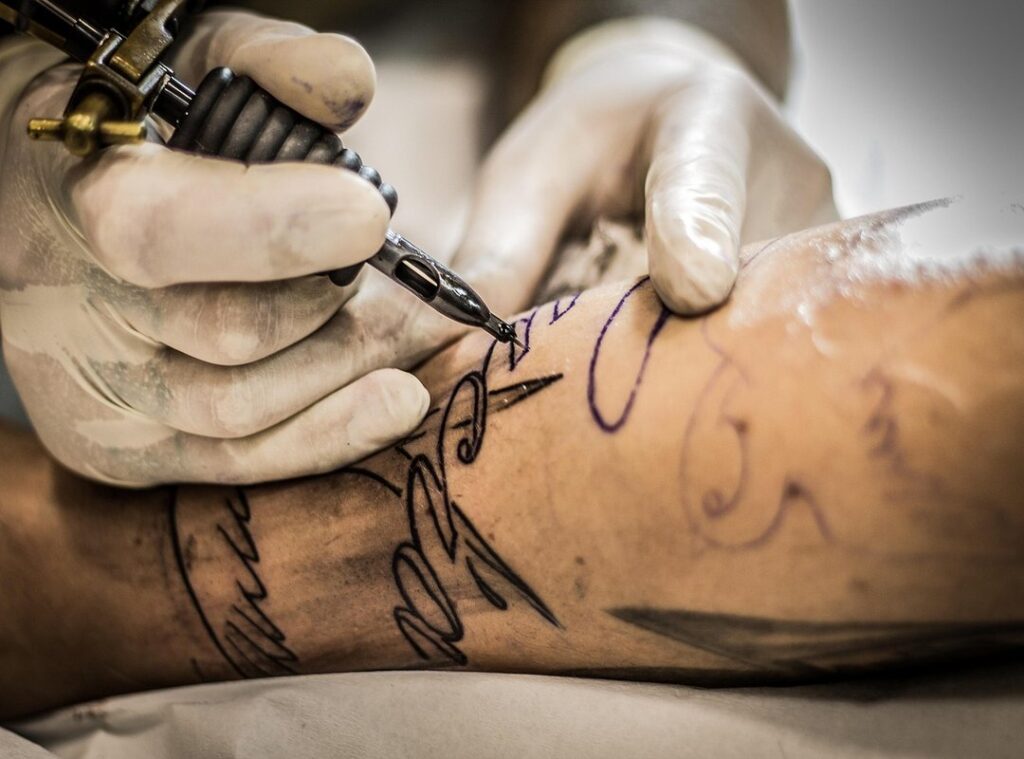
Polynesian tattoos, especially on the forearm, are visually striking. But what do these intricate patterns actually mean? That’s a question many people ask.
This article aims to be your guide to understanding the deep cultural significance, common symbols, and design process for a meaningful polynesische tattoo onderarm. A true Polynesian tattoo is a personal narrative, a story told in ink, not just a generic ‘tribal’ design. The forearm is a significant placement, often associated with strength, creation, and one’s work in the world.
Unpacking the Tradition: What Makes a Tattoo ‘Polynesian’?
When you hear the term POLYNESIAN TATTOO, it’s a broad umbrella. It covers various styles like Samoan (Tatau), Marquesan, and Maori (Tā moko). Each style has its own unique patterns and meanings.
In Polynesian cultures, these tattoos were more than just body art. They signified social status, genealogy, achievements, and spiritual protection. A lot of weight was carried in those inked designs.
Traditional tattooing methods used tools made from bone and wood. Ouch, right? Today, artists blend tradition with modern safety standards using tattoo machines.
The process is safer, but the respect for the craft remains.
The concept of TAPU (sacredness) was central to the traditional tattooing process. Rituals surrounded the act, making it a deeply spiritual experience. This isn’t just about getting inked; it’s about connecting with something greater.
Now, let’s talk about the difference between appreciation and appropriation. It’s one thing to admire the beauty and meaning of Polynesian tattoos. It’s another to copy a sacred family design without understanding or respect.
- Do your research. Learn about the symbols and their meanings.
- Find a skilled artist. Someone who understands the cultural significance.
- Tell your own story. Use the symbolic language to create a personal narrative.
Getting a polynesische tattoo onderarm can be a powerful way to honor this rich tradition. Just make sure it’s done with the right intentions and respect.
Decoding the Language: Common Symbols and Their Meanings
Think of this as a visual dictionary for common motifs used in forearm designs. It’s like having a cheat sheet to understand what each symbol means.
The ‘Enata’ symbol, which looks like human figures, can represent family, friends, or even enemies. They’re often used to build complex patterns, telling a story on your skin.
Shark teeth, known as ‘Niho Mano,’ are another powerful symbol. They stand for strength, protection, guidance, and power. You’ll often see them in rows, forming a bold band that catches the eye.
Then there’s the ‘Honu’—the sea turtle. This one’s all about family, longevity, navigation, and wellness. It’s a popular central element in a design, anchoring the whole piece.
Waves and ocean patterns are also big. They symbolize life’s journey, change, and the connection to the ancestral homeland. It’s like carrying a piece of the ocean with you wherever you go.
You might also come across ‘Tiki’ figures, which represent ancestors or gods. These are powerful protectors but should be used with deep respect and understanding of their specific meaning. (It’s not just a cool design; it has real significance.)
Understanding these symbols can help you make a more meaningful choice when you’re thinking about getting a polynesische tattoo onderarm. It’s not just about the art; it’s about the story you want to tell.
Designing Your Forearm Piece: From Personal Story to Custom Ink

When it comes to getting a polynesische tattoo onderarm, the first step isn’t just picking a design. It’s about introspection. You need to think deeply about your life story, values, and what you want to represent.
Write down key life events, family members, and personal strengths. This is the foundation of your tattoo. Evebiohaztech
Next, match these concepts with the symbols from the previous section. Think about how each symbol can tell a part of your story.
Consider the flow and how the design will wrap around your forearm. A half-sleeve from wrist to elbow or a band that wraps around the arm can both work, but they affect the narrative differently.
Finding the right artist is crucial. Look for someone who specializes in Polynesian styles and understands the cultural context. Not just any general artist will do.
During a consultation, the artist will listen to your story and translate it into a unique design. They’ll ensure the symbols are used correctly, which is vital for a meaningful and respectful tattoo.
Avoid the pitfall of asking for an exact copy of someone else’s tattoo. It’s considered disrespectful and defeats the purpose of having a personal, meaningful piece.
Remember, this tattoo is a reflection of you. Make sure it tells your story and represents what you stand for.
What to Expect: The Process, Pain, and Aftercare
Getting a polynesische tattoo onderarm, and good choice. It’s generally one of the less painful areas for a tattoo.
But be aware, it can get sensitive near the wrist and the elbow ditch.
Complex Polynesian designs often require multiple sessions, and be prepared for the time commitment.
Keep it clean, and use a recommended ointment. Avoid sun exposure to keep the lines crisp.
Proper healing is critical for those intricate patterns and linework to look their best for years.
Think of it this way: would you rather have a quick, sloppy job or a well-crafted piece that stands the test of time?
Wearing Your Journey with Honor and Pride
A polynesische tattoo onderarm is a deeply personal and meaningful piece of art that goes far beyond aesthetics. It embodies the wearer’s heritage, experiences, and values.
You are now equipped with the foundational knowledge to approach this process respectfully and thoughtfully.
Take your time to find the right artist who can help you translate your personal story into a beautiful and authentic design.
This tattoo will be a permanent and proud reminder of your own history, strength, and journey through life.
 Ask Bonnien Hursteanage how they got into in-game resource management hacks and you'll probably get a longer answer than you expected. The short version: Bonnien started doing it, got genuinely hooked, and at some point realized they had accumulated enough hard-won knowledge that it would be a waste not to share it. So they started writing.
What makes Bonnien worth reading is that they skips the obvious stuff. Nobody needs another surface-level take on In-Game Resource Management Hacks, Curious Insights, Post-Apocalyptic Game Engine Innovations. What readers actually want is the nuance — the part that only becomes clear after you've made a few mistakes and figured out why. That's the territory Bonnien operates in. The writing is direct, occasionally blunt, and always built around what's actually true rather than what sounds good in an article. They has little patience for filler, which means they's pieces tend to be denser with real information than the average post on the same subject.
Bonnien doesn't write to impress anyone. They writes because they has things to say that they genuinely thinks people should hear. That motivation — basic as it sounds — produces something noticeably different from content written for clicks or word count. Readers pick up on it. The comments on Bonnien's work tend to reflect that.
Ask Bonnien Hursteanage how they got into in-game resource management hacks and you'll probably get a longer answer than you expected. The short version: Bonnien started doing it, got genuinely hooked, and at some point realized they had accumulated enough hard-won knowledge that it would be a waste not to share it. So they started writing.
What makes Bonnien worth reading is that they skips the obvious stuff. Nobody needs another surface-level take on In-Game Resource Management Hacks, Curious Insights, Post-Apocalyptic Game Engine Innovations. What readers actually want is the nuance — the part that only becomes clear after you've made a few mistakes and figured out why. That's the territory Bonnien operates in. The writing is direct, occasionally blunt, and always built around what's actually true rather than what sounds good in an article. They has little patience for filler, which means they's pieces tend to be denser with real information than the average post on the same subject.
Bonnien doesn't write to impress anyone. They writes because they has things to say that they genuinely thinks people should hear. That motivation — basic as it sounds — produces something noticeably different from content written for clicks or word count. Readers pick up on it. The comments on Bonnien's work tend to reflect that.