

Ever felt your spine tingle while exploring a game world? Not just because of stunning graphics, but because the world feels alive. Like hearing that soft, distant clicker echo in a dark subway or staring up at the oppressive architecture of some bio-engineered facility.
It’s not just pixels; it’s presence.
But let’s be real. Many virtual worlds (even) the prettiest ones. End up feeling like empty movie sets.
They don’t grab you. Why is that? Because they lack soul.
As someone who’s dissected countless post-apocalyptic and survival-horror titles, I can tell you the difference is in the details. Game mechanics and design philosophies make or break the experience.
So, what’s the secret sauce? This article promises to dive deep into the core pillars of immersive game worlds. We’ll go beyond graphics, exploring psychology, level design, and those hidden mechanics that pull you in.
Trust me, you won’t look at game worlds the same way again.
The Power of Silence: Environmental Storytelling in Games
You know what’s fascinating about immersive game worlds? They tell stories without uttering a single word. Ever walked through a deserted medical camp in a game?
Supplies scattered everywhere, like a storm hit. No need for dialogue to feel the panic. It’s all there in the details.
Or consider a skeleton chained to a wall, a diary just within reach. That diary whispers a personal tragedy louder than any spoken word ever could.
Sound design plays a key role too. It’s not just background noise; it’s a core mechanic. Hear that floorboard creak above you?
Sends chills, right? Or the distant moan of an infected creature. Silence can be just as unnerving, especially in a supposedly ‘safe’ zone.
Games use these sounds to pull us into their world, making us feel a part of it. It’s like an invisible hand guiding our emotions.
Now, let’s talk about vulnerability. An environment jam-packed with scarce resources, shadowy corners, and tight hallways? It’s enough to make anyone sweat.
These elements aren’t just there for show. They force you to pay attention, to engage more deeply with the world around you. The environment becomes a character itself, not just a pretty backdrop.
It changes how you play, how you feel.
Want to dig deeper into the psychology behind these compelling designs? Check out this psychology compelling game design resource. It’s a dive into how game worlds captivate us, turning players into storytellers.
Worlds That Remember: Changing vs. Static Environments
Alright, Static environments in games? They’re pretty much like a movie set. Just sitting there, looking nice, but not doing much else.
But changing environments? Now we’re talking. These are immersive game worlds where the terrain morphs and reflects your actions.
Ever shot out a light to sneak past guards? That’s changing design in action.
Imagine this: you’re battling through a zombie-infested town (because who doesn’t love a good apocalypse?). You block off a door with a couch to fend off the horde for now. Later, you might return, and that barricade is gone or destroyed.
It makes you think, doesn’t it? Did someone or something get through here? A world that shifts keeps you guessing.
Let’s talk evolution. Not the Darwin kind, but the game environment variety. You explore a pristine forest.
On your next visit, it’s choked with poisonous gas or crawling with mutated beasts. That kind of change makes you feel like your actions (or inactions) have consequences. You did something.
Or maybe the game’s world is just messing with you.
Player agency is the heart of this. When every decision you make alters the space (or even just the decor), it’s like a game whispering, “I see you.” The world reacts, acknowledges, and evolves. This is what keeps players like us glued to the screen for hours.
Because why not have a game world that’s as alive as we are?
Some games have nailed this concept; they’re some of the most alive and immersive open-world experiences out there. These games remember the steps you take and the chaos you leave behind. It’s the unpredictability that sucks us in, making us eager to see how our actions will shape things next.
It’s a wild ride, but isn’t that why we’re here?
The Unseen Enemy: How Biohazard Mechanics Forge a Deeper
You ever find yourself holding your breath in a game, hoping to make it through that toxic fog without dying? That’s what makes immersive game worlds so gripping. The threat isn’t just from enemies lurking around corners; it’s in the very air you breathe.
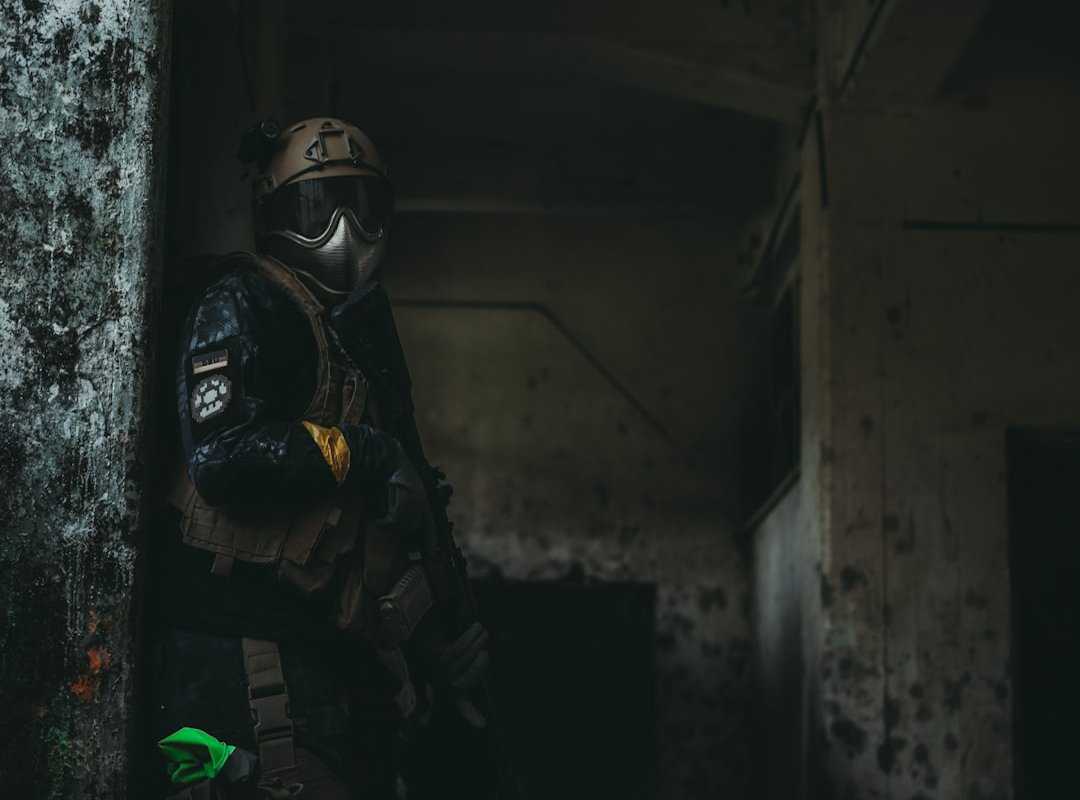
In games like Metro, searching for a gas mask becomes a life-or-death decision. It’s not just about shooting; it’s about surviving the world itself.
Think about The Last of Us. It’s not just the clickers that get under your skin. It’s those spore-filled corridors that force you to rethink every step.
You’re not just fighting; you’re plotting every movement to avoid a silent killer. And let’s not forget S.T.A.L.K.E.R., where the simple act of walking turns into a game of Russian roulette. That Geiger counter’s clicking is a constant reminder: the environment is as deadly as any foe.
Why does this matter? Because it changes how you play. Suddenly, moving from point A to B isn’t just a walk in the park.
It’s a tense journey where every choice counts. Do you risk that shortcut through a toxic zone or take the long way around? These mechanics turn navigation into a strategic dance of resource management and quick thinking.
Adaptive level design player skills are key here. Need proof? Check out how these skills are explored here.
Pro tip: Always keep an eye on your resources. Filters for your gas mask or anti-radiation meds can mean the difference between life and death. These games teach players to be hyper-aware, turning the environment into another layer of plan.
You become part of the world, not just a passerby. And that’s the true magic of biohazard games.
A Living, Breathing Space: Intelligent AI’s Role
Ever notice how an environment feels dead without life? In immersive game worlds, AI behavior is everything. It’s not just about enemies taking cover or knocking over trash cans to distract.
It’s how they react to light, how they move through shadows. You ever feel like you’re being watched in a game? That’s AI doing its job.
I remember sneaking through a digital jungle, thinking I was alone, when suddenly the wildlife scattered. It was like they knew more than I did.
This isn’t just about hostile encounters. Non-hostile AI, like NPCs with their own daily routines or animals that flee at the slightest sound, turn the world into something more than just a backdrop. They make it authentic.
You get the sense that this world doesn’t revolve around you. You’re a part of it, yes, but not the center. That’s the magic.
It breathes life into pixels.
Crafting Worlds That Live and Breathe
So, you’re still looking for truly immersive game worlds? Let’s face it: many games feel empty (flat) visuals and no soul. The secret lies in making the environment a living character.
It should tell stories, react, and challenge players with real threats. This isn’t just about high-end graphics. It’s about depth.
Wondering how to experience this? Start by exploring games that prioritize psychological immersion and reactive design. Developers, take this challenge seriously.
Players, demand more. Dive into these layers. You’ll find worlds that don’t just exist but breathe.
Now, go out there and discover what makes a game world unforgettable.
 Ask Bonnien Hursteanage how they got into in-game resource management hacks and you'll probably get a longer answer than you expected. The short version: Bonnien started doing it, got genuinely hooked, and at some point realized they had accumulated enough hard-won knowledge that it would be a waste not to share it. So they started writing.
What makes Bonnien worth reading is that they skips the obvious stuff. Nobody needs another surface-level take on In-Game Resource Management Hacks, Curious Insights, Post-Apocalyptic Game Engine Innovations. What readers actually want is the nuance — the part that only becomes clear after you've made a few mistakes and figured out why. That's the territory Bonnien operates in. The writing is direct, occasionally blunt, and always built around what's actually true rather than what sounds good in an article. They has little patience for filler, which means they's pieces tend to be denser with real information than the average post on the same subject.
Bonnien doesn't write to impress anyone. They writes because they has things to say that they genuinely thinks people should hear. That motivation — basic as it sounds — produces something noticeably different from content written for clicks or word count. Readers pick up on it. The comments on Bonnien's work tend to reflect that.
Ask Bonnien Hursteanage how they got into in-game resource management hacks and you'll probably get a longer answer than you expected. The short version: Bonnien started doing it, got genuinely hooked, and at some point realized they had accumulated enough hard-won knowledge that it would be a waste not to share it. So they started writing.
What makes Bonnien worth reading is that they skips the obvious stuff. Nobody needs another surface-level take on In-Game Resource Management Hacks, Curious Insights, Post-Apocalyptic Game Engine Innovations. What readers actually want is the nuance — the part that only becomes clear after you've made a few mistakes and figured out why. That's the territory Bonnien operates in. The writing is direct, occasionally blunt, and always built around what's actually true rather than what sounds good in an article. They has little patience for filler, which means they's pieces tend to be denser with real information than the average post on the same subject.
Bonnien doesn't write to impress anyone. They writes because they has things to say that they genuinely thinks people should hear. That motivation — basic as it sounds — produces something noticeably different from content written for clicks or word count. Readers pick up on it. The comments on Bonnien's work tend to reflect that.