Post-apocalyptic and biohazard-themed games are evolving fast. Players aren’t just looking for atmospheric worlds anymore—they want smarter survival systems, adaptive level design, and resource mechanics that feel brutally real. If you’re here, you’re likely searching for deeper insight into how biohazard game mechanics are shaping modern gameplay, how evolving level design sustains tension, and how in-game resource strategies can make or break player engagement.
This article explores the design innovations driving the genre forward, from contamination systems and environmental storytelling to scarcity-based economies that heighten strategic decision-making. We also examine how these mechanics intersect with competitive play and the broader esports market expansion, where high-stakes survival formats are gaining traction.
Our insights draw from extensive analysis of emerging game systems, competitive trends, and player behavior data across the industry. You’ll walk away with a clear understanding of what’s changing, why it matters, and how these innovations are redefining post-apocalyptic gaming experiences.
Mechanics Over Money
Viewership spikes and million-dollar prize pools grab headlines; however, they are symptoms, not causes. The real engine is game design. By mechanics, we mean the rules and systems that govern play—movement physics, resource loops, risk-reward tradeoffs. Think of chess with graphics (and fewer powdered wigs). Without tight feedback loops, players drift away.
Critics argue marketing alone drives esports market expansion. Sure, ads help. Yet no campaign can save a broken meta—an imbalanced dominant strategy that crushes variety. Consider evolving maps like Fortnite’s storms forcing rotations; tension creates stories.
Pro tip: balance patches should reward mastery, not randomness.
The Strategic Blueprint: How Evolving Level Design Creates Legends
I still remember the first time a “safe” corner of a map betrayed me. A wall I’d used for cover all match suddenly collapsed under artillery fire. My squad panicked. The other team adapted. We lost. (Lesson learned.)
That’s the difference between static and dynamic arenas. Static maps are fixed battlegrounds—unchanging layouts where strategies calcify over time. Dynamic arenas evolve mid-match through destructible terrain, shifting weather, or bio-hazardous zones (areas that inflict environmental damage over time). These changes force constant recalibration. Think less chessboard, more Mad Max sandstorm.
Some critics argue evolving maps add randomness and reduce competitive integrity. I get that. Predictability feels fair. But true competitive depth comes from adaptation. When the environment shifts, preparation meets improvisation—and that’s where legends emerge.
1. Raising the Skill Ceiling
A skill ceiling is the maximum potential mastery a game allows. Complex level design raises it. Rotating hazards, verticality, and timing-based map events separate mechanical skill from strategic foresight. At high-level tournaments, that layered mastery makes matches more compelling to watch—fueling broader esports market expansion as spectators crave highlight-reel adaptability.
2. Case Study – Asymmetrical Maps
In asymmetrical maps—where opposing sides have different layouts or objectives—attackers and defenders must master distinct strategies. Tactical shooters and MOBAs use this to deepen playbooks. One side controls elevation; the other controls chokepoints. Balance isn’t sameness—it’s intentional tension.
3. Resource Scarcity as a Design Tool
Strategic resource placement drives conflict. Limited ammo spawns, rare crafting materials, or contested healing zones create predictable flashpoints. In survival-themed games, scarcity isn’t punishment—it’s propulsion. (Pro tip: memorize spawn timers before perfecting your aim.)
Great level design doesn’t just host competition. It shapes it.
The In-Game Economy: Resource Management as a Spectator Sport
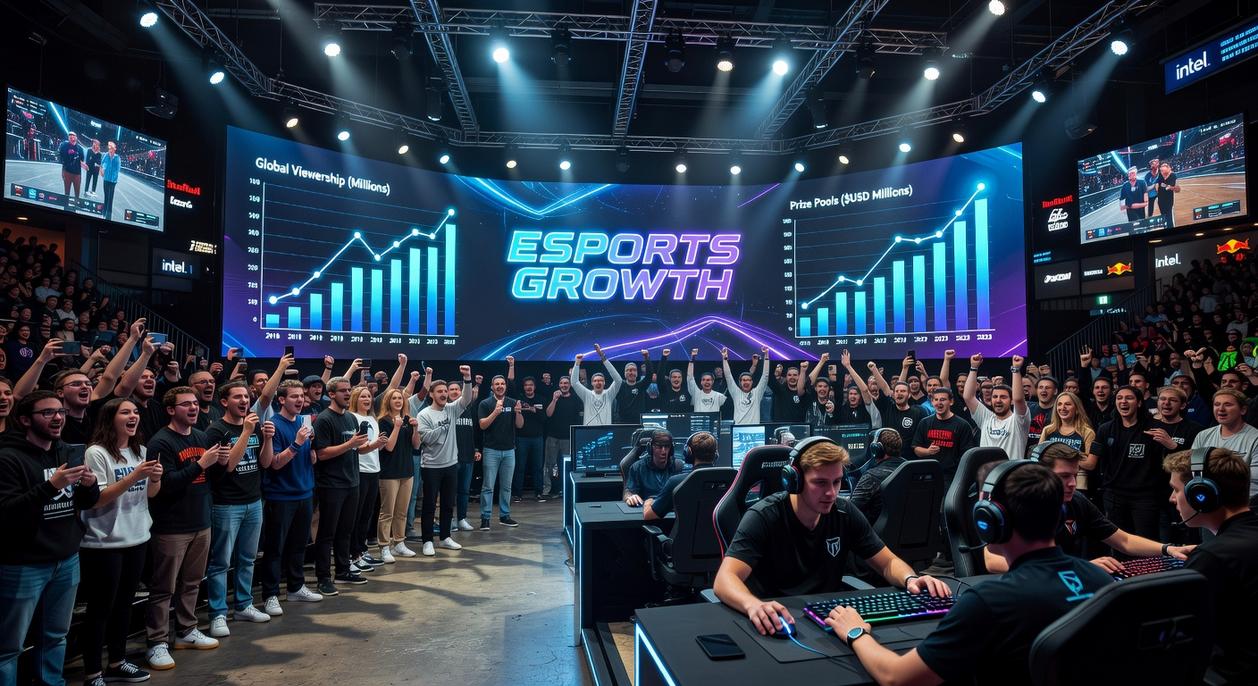
At the highest levels of competitive gaming, it’s not just about flick shots and reflexes. It’s about resource management under pressure—the art of allocating limited in-game assets (currency, materials, energy, or time) for maximum strategic advantage. Think of it as chess played at 200 beats per minute (with a roaring crowd).
Some argue spectators only care about flashy eliminations. Mechanical skill is easier to see, after all. But compare A vs B: Team A wins more duels but wastes resources; Team B loses early fights yet invests wisely. By mid-match, Team B fields superior gear and map control. Suddenly, aim isn’t the headline—economics is.
The ‘Comeback’ Mechanic
In-game economies create structured hope. A trailing team can “eco” (save resources) for one round, then unleash a coordinated power spike the next. This design fuels dramatic reversals, a key driver behind esports market expansion. Without resource systems, matches would snowball predictably. With them, viewers track tension like a stock ticker (and yes, it’s just as volatile).
Consider a classic decision point:
- Buy armor now vs. save for a high-tier weapon later
Buying armor increases short-term survival odds. Saving sacrifices the present for a stronger future round. Each choice cascades—affecting team morale, positioning, and even opponent psychology.
Newer competitive titles push this further. Some introduce scavenged crafting systems: craft medicine now or hoard parts for advanced gear? Others layer in contamination meters, where power comes at long-term biological cost. It’s Risk vs. Sustainability, immediate dominance vs. delayed resilience.
For informed viewers, tracking these invisible balances is half the thrill (the explosions are just the bonus).
Designing for the Viewer: The Unseen Art of Spectator-Friendly Gameplay
Great competitive games are not just built for players; they’re engineered for viewers. First, clarity and readability matter. Clear visual cues, distinct character silhouettes, and well-telegraphed effects help audiences instantly grasp what’s happening. Telegraphing—the practice of signaling an ability before it lands—prevents confusion and keeps tension high. If viewers can’t follow the action, they won’t stay.
At the same time, pacing shapes engagement. Designers build natural ebbs and flows: explosive team fights give way to quieter strategic resets. These lulls allow commentators to break down positioning, resource management, and risk. For aspiring developers, mapping intensity curves during playtesting is a practical way to spot burnout or boredom.
Finally, the “wow” factor fuels shareability. High-impact abilities and improbable comebacks create moments tailor-made for clips. Think of a perfectly timed ultimate turning a doomed match around—those highlights travel fast. In fact, this design philosophy directly supports esports market expansion by making competition watchable, understandable, and memorable.
Moreover, many insights align with broader industry shifts discussed in top game industry trends shaping 2026. When spectacle, structure, and clarity intersect, games stop being confusing systems and become stories audiences can’t stop watching.
The next wave of competitive games won’t just polish old formulas; it will splice genres once kept apart. Expect extraction shooters that fuse high-stakes survival with tight tactical combat—where losing gear actually hurts. Critics argue hybrids dilute skill ceilings. I disagree. Layered systems reward adaptability, not button memorization.
Procedural generation will also enter ranked play. Randomized choke points and loot routes could:
- Force real-time strategy shifts
- Punish rigid metas
- Spotlight creative shot-calling
Skeptics say fairness demands identical maps. But controlled randomness can be audited and balanced.
Finally, asymmetric competitions—distinct roles, uneven objectives—will redefine esports market expansion, not mirror-match monotony entirely.
The rise of competitive gaming isn’t luck; it’s engineered. Behind every roaring arena, flashing HUD, and clacking keyboard lies deliberate design. Critics argue spectacle alone can sustain a scene—big explosions, celebrity streamers, viral moments. Yet games that chase shine without systems fade fast. Sustainable titles layer deep strategic choice, evolving metas, and tension you can almost taste, metallic as overtime ticks down. Spectators need clarity—clean visuals, readable stakes, storylines that crackle through headsets. This blueprint fuels esports market expansion and long-term loyalty. Look for strategic depth, adaptive challenges, and balanced resource economies. Whether you’re investing, competing, or cheering, follow design.
Mastering the Future of Biohazard Gaming
You came here to understand how biohazard mechanics, evolving level design, and post-apocalyptic resource strategies are reshaping gameplay. Now you’ve seen how smarter environmental hazards, adaptive maps, and strategic scarcity systems create deeper immersion and higher-stakes decision-making.
The reality is this: players who don’t adapt get left behind. As biohazard systems grow more complex and competitive ecosystems evolve alongside esports market expansion, only those who understand the mechanics beneath the surface will consistently dominate.
If you’re serious about mastering next-gen biohazard gameplay, don’t stop here. Start analyzing your resource routes, refine your environmental risk management, and stay ahead of emerging level design trends.
Ready to gain the competitive edge? Dive deeper into advanced breakdowns, sharpen your in-game survival strategies, and position yourself ahead of the curve. The next evolution of biohazard gaming is already here—make sure you’re prepared for it.