
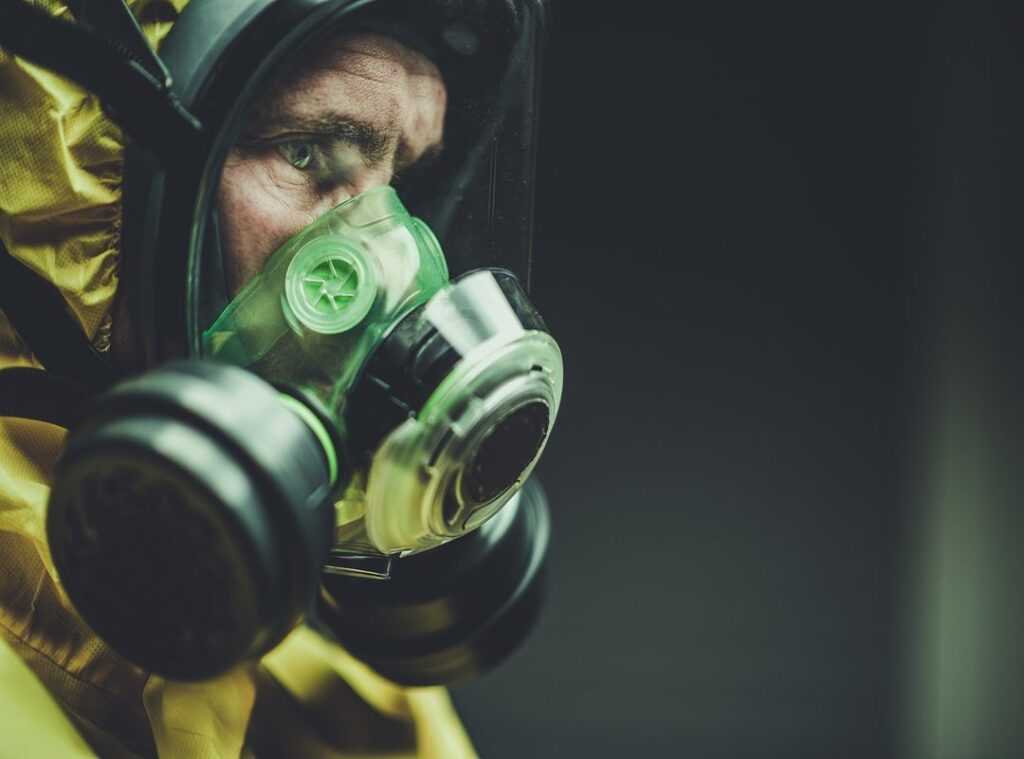
Ever felt like you’re just scratching the surface when it comes to biohazard weapons mastery? You’re not alone. I often wonder how to truly dominate in post-apocalyptic scenarios.
You want to be more than just a player; you want to be the player whose plan is talked about. Here’s a truth bomb: mastering these virtual arsenals isn’t just about knowing the weapons. It’s about understanding the evolving game design and player behavior.
I know what you’re thinking: can this article really raise your game? Yes, it can. We’ve consulted top game designers and strategists to bring you takeaways that actually matter.
This isn’t some fluff piece. It’s packed with real strategies and mechanics that can give you the edge. You came here to learn and conquer, and you’re going to leave with the tools to do just that.
So, are you ready to level up?
Gaming Hazards: Real Myths, Virtual Reality
Let’s face it, when we talk about hazardous materials expertise in gaming, we’re not chatting about OSHA regs. We’re diving into how games craft their own rules to make their worlds believable. It’s not about mimicking reality but creating a set of rules players can buy into.
Think of real-world hazards (chemical,) biological, radiological, explosive (and) how they morph into gameplay.
Chemical hazards, for instance, aren’t just about corrosive stuff in a lab. In-game, they become those nasty area-denial puddles you dread stepping into. You know, the ones that seem to spread like gossip in a high school.
And biological hazards? They’re the infections spreading faster than a meme, with status effects that make you rethink your approach. Remember the last time a virus turned your character into a slow-moving zombie?
Yeah, that.
Radiological hazards are the silent killers in games. You can’t see them, but your Geiger counter (or fancy in-game equivalent) is your best friend. Navigating these requires plan, not just brute force.
It’s like trying to survive without Wi-Fi (almost impossible, right?).
The aim here isn’t to recreate the real world with painstaking detail. Instead, it’s about achieving thematic believability. This enhances immersion and plan, making hazards more than just obstacles.
They become integral to the experience.
If you’re looking to dive deeper into this kind of game design, check out advanced strategies biohazard game victory. It’s all about turning real-world chaos into controlled, engaging gameplay. And isn’t that what we’re all after?
Contagion Mechanics: Crafting Addictive Gameplay
Building gameplay loops that hook players isn’t just about tossing in some hazards and calling it a day. No, it’s about turning these dangers into interactive systems. Imagine a game where hazardous zones aren’t just threats but opportunities.
Players love a good risk vs. reward scenario (I know I do). Dangerous areas should tempt players with valuable loot or shortcuts, making them weigh the danger against the potential gain. It’s not just about surviving (it’s) about thriving in the chaos.
Now, let’s talk mechanics. Ever experienced blurred vision or a coughing fit that alerts enemies? These status effects add a layer of plan.
Equipment degradation like gas mask filters running out ramps up tension. You’re not just fighting enemies; you’re battling the environment. And that scarcity of antidotes or radiation meds?
It forces players to think ahead. You can’t just run and gun your way through.
But what about the AI? Hazards should alter their behavior too. Ever lured an enemy into a chemical spill or irradiated zone?
It’s a game-changer. Players can use the environment to their advantage, making the world feel alive and reactive. This is the essence of biohazard weapons mastery (using) the tools and dangers in your environment to outsmart your foes.
Speaking of weapons, if you’re interested in the nitty-gritty of arming yourself to the teeth in survival games, check out how to get every weapon in Resident Evil 7. It’s a practical guide to ensuring you’re never caught empty-handed.
In the end, it’s about creating a world where every decision matters. Every choice has weight. And when players feel like their actions have consequences, that’s when they’re truly engaged.
Isn’t that what game design is all about?
Catastrophe in Design: Telling Stories Through Ruin
Level design isn’t just about hazard signs and broken walls. It’s about making players feel the danger before they even see the threat. Think about it.
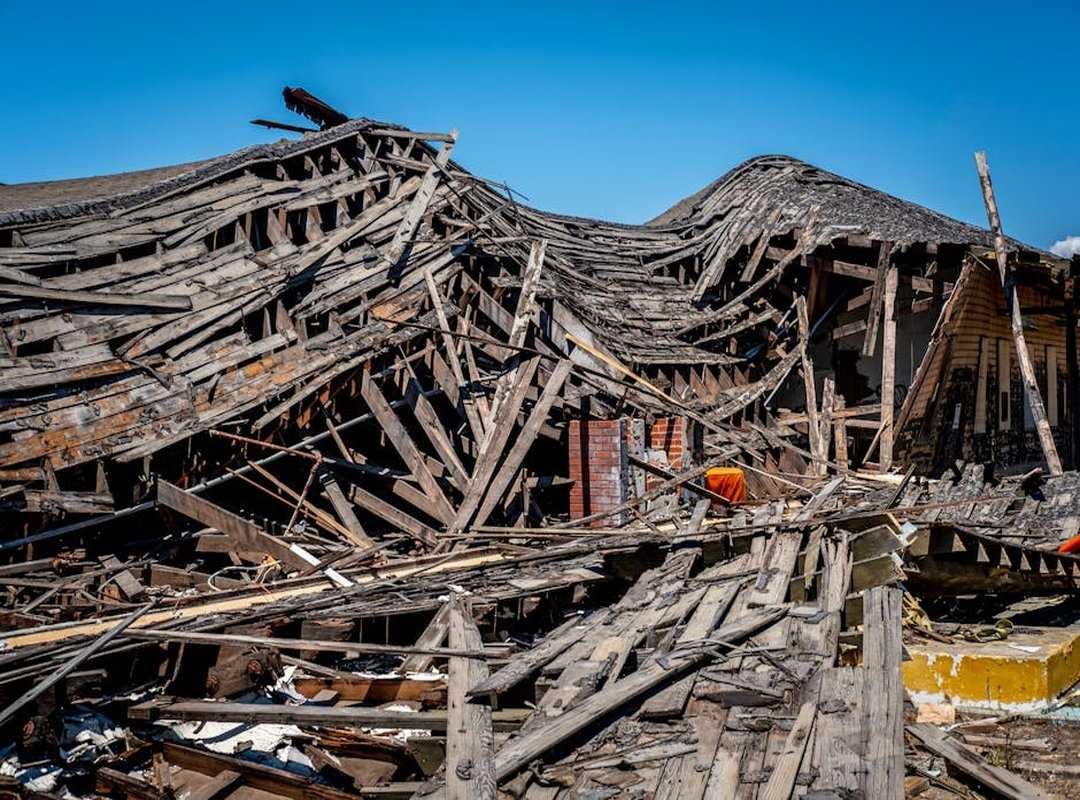
You walk into a room and see hastily constructed quarantine barriers. Immediately, the urgency smacks you in the face. It’s like shouting “RUN!” without a single word.
Those abandoned decontamination showers? Haunting.
Different hazards need distinct environments. A viral outbreak zone screams with medical tents and biohazard bags. You expect to see remnants of order, chaos barely kept at bay.
Now, throw in a chemical weapons plant. The vibe changes. Corroded metal, specific containment tanks, and the stench of danger linger in the air.
These environments tell their own stories. They whisper about the catastrophe long before mechanical effects set in.
Iconic games nail this. The Spore-filled basements of ‘The Last of Us’ come to mind. You can almost choke on the spores in the atmosphere.
The eerie labs of ‘Resident Evil’ haunt you with their sterile decay. And the irradiated ruins in the ‘S.T.A.L.K.E.R.’ series? Legendary.
They immerse you. That’s environmental storytelling done right.
Why does this work so well? It’s simple. The environment becomes a character, a silent storyteller.
It gives context. It builds tension. Does it make you think of “Mastering Biohazard Important Survival Tips”?
It should. Check out this page for a deeper dive.
Ever thought about the time when you entered a game level and just knew (I mean really knew) that something was off? That’s environmental storytelling. It’s an art.
It’s why biohazard weapons mastery isn’t just about the tools, but the stage they’re set on. The story told by the setting adds depth and makes the catastrophe believable.
The Survivor’s Toolkit: Important Gear and Skills
You ever find yourself wandering through a radioactive wasteland with nothing but a faulty Geiger counter? Yeah, me too. Hazmat suits with durability stats are a must.
They aren’t just flashy outfits; they’re your lifeline. And those gas masks with replaceable filters? Important.
But don’t forget to keep an eye on those filters. They run out faster than you’d think (trust me, you don’t want to breathe in that toxic air).
Injectable medications give you a temporary edge. Not a permanent fix, but they’ll keep you standing when things get hairy.
Now, let’s talk skills. Ever heard of “Lead Belly”? It’s a lifesaver for radiation.
And if you’re into crafting, being a “Chemist” lets you whip up better filters. My favorite? “Immunologist” (higher) resistance to infection is a game-changer.
Biohazard weapons mastery isn’t just a skill; it’s survival. Gear and skills are more than just tools. They’re the plan.
Craft Your Danger with Impact
In crafting your game’s world, hazards aren’t just obstacles. They’re key to an immersive experience. A well-designed threat combines mechanics, storytelling, and empowerment.
It respects players’ intelligence, turning simple dangers into memorable challenges. We’ve all seen those generic hazards that fail to engage. They feel like afterthoughts, right?
But your game can be different. You can create tension and strategic depth.
Want to master this? Focus on biohazard weapons mastery. It’s not just a buzzword (it’s) your path to engaging gameplay.
Look for these elements next time you dive into a biohazard game. And why stop there? Explore advanced level design or player behavior takeaways.
Evebiohaztech.net has the ideas you need. Ready to transform your game? Start designing today.
 Ask Bonnien Hursteanage how they got into in-game resource management hacks and you'll probably get a longer answer than you expected. The short version: Bonnien started doing it, got genuinely hooked, and at some point realized they had accumulated enough hard-won knowledge that it would be a waste not to share it. So they started writing.
What makes Bonnien worth reading is that they skips the obvious stuff. Nobody needs another surface-level take on In-Game Resource Management Hacks, Curious Insights, Post-Apocalyptic Game Engine Innovations. What readers actually want is the nuance — the part that only becomes clear after you've made a few mistakes and figured out why. That's the territory Bonnien operates in. The writing is direct, occasionally blunt, and always built around what's actually true rather than what sounds good in an article. They has little patience for filler, which means they's pieces tend to be denser with real information than the average post on the same subject.
Bonnien doesn't write to impress anyone. They writes because they has things to say that they genuinely thinks people should hear. That motivation — basic as it sounds — produces something noticeably different from content written for clicks or word count. Readers pick up on it. The comments on Bonnien's work tend to reflect that.
Ask Bonnien Hursteanage how they got into in-game resource management hacks and you'll probably get a longer answer than you expected. The short version: Bonnien started doing it, got genuinely hooked, and at some point realized they had accumulated enough hard-won knowledge that it would be a waste not to share it. So they started writing.
What makes Bonnien worth reading is that they skips the obvious stuff. Nobody needs another surface-level take on In-Game Resource Management Hacks, Curious Insights, Post-Apocalyptic Game Engine Innovations. What readers actually want is the nuance — the part that only becomes clear after you've made a few mistakes and figured out why. That's the territory Bonnien operates in. The writing is direct, occasionally blunt, and always built around what's actually true rather than what sounds good in an article. They has little patience for filler, which means they's pieces tend to be denser with real information than the average post on the same subject.
Bonnien doesn't write to impress anyone. They writes because they has things to say that they genuinely thinks people should hear. That motivation — basic as it sounds — produces something noticeably different from content written for clicks or word count. Readers pick up on it. The comments on Bonnien's work tend to reflect that.