
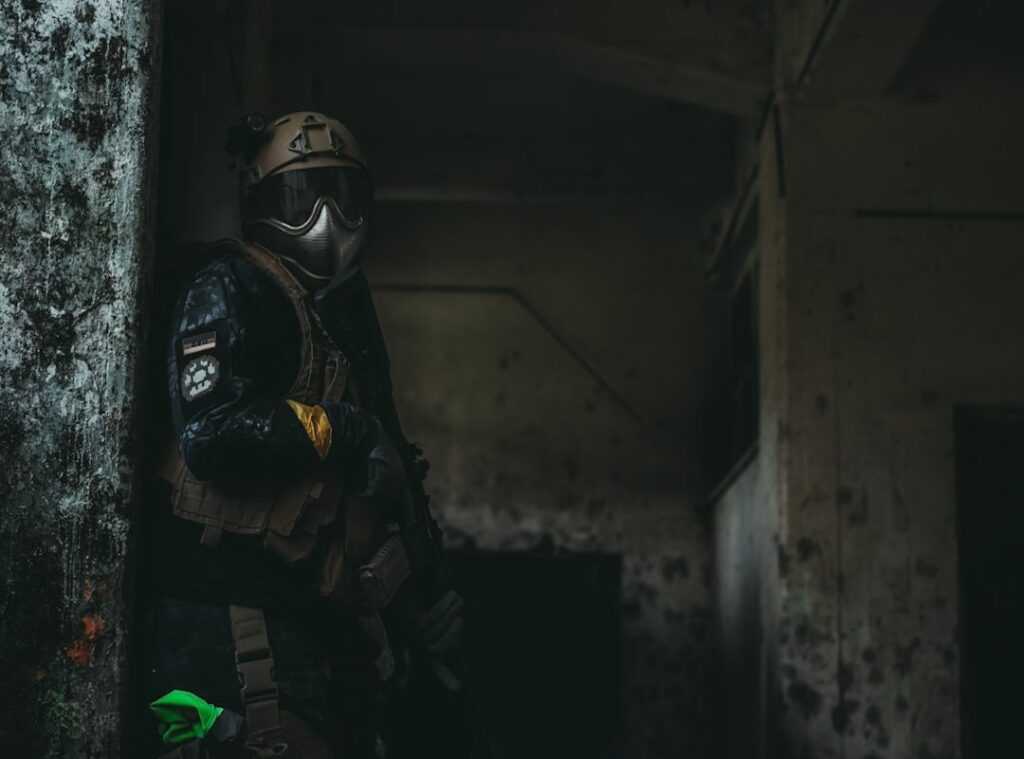
Ever found yourself tangled in the web of biohazard game physics? It’s like a puzzle that promises excitement but demands every ounce of your strategic thinking. I’ve been there, staring at the screen, trying to decode the complex strategies woven into these games.
How do you make sense of it all? That’s exactly what we’re diving into.
Games with hazardous materials are thrilling. They pull you into a world where a misstep can lead to chaos, and understanding the mechanics is key. You don’t just want to survive; you want to master the game.
But let’s face it, the learning curve can be steep. The allure of conquering these challenges keeps us coming back, right?
Here’s the thing: I’m offering takeaways into the game industry and its evolving trends. I’ve talked to experts, played more games than I can count, and dissected every biohazard element. Trust me, you’re in good hands.
By the end of this, you’ll be equipped to tackle these games head-on. Better gameplay, more wins, and a deeper appreciation for the art of game design await. Ready to level up your gaming skills?
Let’s get started.
Hazardous Materials: The Secret Sauce in Gaming
When I think about hazardous materials in games, it’s like throwing a live grenade into the middle of a birthday party. You can’t help but watch. These elements (be it radioactive waste, unstable chemicals, or biohazards) aren’t just props.
They craft tension and challenge. Remember, the classic Resident Evil? It elevated biohazard game physics to an art form.
You never knew if that green goo was going to mutate something or just explode. That’s the thrill.
But it’s not just about making things go boom. Hazardous materials weave deeper into game narratives. They shape the world, push storylines, and make you care about what you’re doing.
Take Fallout, for example. Its radioactive wasteland challenges you but also draws you into its world. You’re not just fighting for survival; you’re part of the story.
Why do we love this? Because it’s engaging. It keeps you on your toes.
You might want to check out some advanced strategies biohazard game victory to see how pros handle it. Trust me, you’ll need every trick in the book. Hazardous materials?
They’re the unsung heroes of game design, making each playthrough feel fresh and dangerous.
Game Mechanics: Biohazards as Strategic Opportunities
Ever thought about how game designers turn biohazards into something more than just a threat? It’s all about balancing risk and reward. Biohazards aren’t just obstacles; they’re opportunities.
You might find yourself wondering, how can something so dangerous become a strategic element? Well, it’s all in the design.
Imagine playing a game where you choose to risk exposure to a biohazard because the payoff is worth it. The thrill of making that tough decision can make the game more engaging. Does it always pay off?
Nope, but that’s the point. The uncertainty keeps you on your toes. It’s what makes games addictive.
Biohazard game physics can add a layer of depth that’s hard to find elsewhere. Take “The Last of Us,” for example. It’s not just about fighting infected creatures.
It’s about the decisions players make when they encounter these biohazards. Do you sneak past or go in guns blazing? Each choice can lead to a different outcome.
But what’s the psychological impact of these decisions? Players often feel a heightened sense of immersion and tension. You’re not just playing; you’re surviving.
And the real magic happens. The stress and excitement of navigating a world filled with biohazards can make every victory feel earned.
Pro tip: Watch out for games that use biohazards as a cheap trick to up difficulty. The best ones balance them with skillful gameplay. So next time you’re playing, ask yourself: is the risk worth the reward?
That decision might just change your game plan entirely.
Biohazard Mechanics: Game Changer or Just Hype?
Ever wondered how biohazard game physics affect level design? I have. Biohazard mechanics aren’t just a gimmick; they’re reshaping game levels.
Think about it (when) a level incorporates hazards like radiation or toxic spills, it forces players to think differently. They can’t just sprint through a level. They’ve got to strategize and adapt.
Now, let’s talk about innovation in layouts. Games today use hazardous environments to change the way players interact with the world. It’s not just about dodging danger; it’s about using it.
A well-placed toxic cloud can be your ally or your doom. And that’s just the start.
Player feedback is key. Developers listen. They tweak and fine-tune based on how players react to these mechanics.
It’s a dialogue. Players say what’s working, what’s not. Level design evolves as a result.
Take the “Avoid Common Biohazard Game Mistakes” approach. Use these hazards as tools, not traps. Levels like Chernobyl-inspired zones show how hazardous materials can be seamlessly integrated.
So, does this mean traditional layouts are obsolete? Not entirely. But the shift is undeniable.
They create tension and excitement. So, are biohazard mechanics revolutionizing game design? Absolutely.
Player Behavior: Navigating the Hazards
Ever played a game where the environment is out to get you? Biohazard game physics can be a real beast. You’ve got to think on your feet.

It’s not just about dodging enemies. It’s about understanding the space (and sometimes the smell of danger).
Players often make the mistake of rushing. They think speed will save them, but it’s patience that pays off. Slowing down to analyze the environment reveals hidden traps.
Think of it like a chess game with toxic pawns (every) move counts.
In biohazard scenarios, adaptability is your best friend. You’ll need to change tactics as the environment shifts. I’ve seen players master these challenges by embracing unpredictability.
It’s what separates the pros from the amateurs.
A tip? Practice makes perfect. Spend time in these hazardous environments before jumping into competitive play.
Remember, the game mechanics you master today will shape tomorrow’s games. Developers are watching how you play. Your behavior could influence the next big thing in gaming.
Curious about new challenges? Check out resident evil 9 requiem. It’s a perfect example of how game design evolves with player behavior.
Master the chaos. It’s not just about survival. It’s about thriving in the madness.
Future Trends: Innovations in Game Engines
Let’s talk about the future of post-apocalyptic game engines. You know, the gritty virtual worlds where you dodge radioactive zombies. Biohazard game physics is the buzzword that’s shaking things up. Why?
Because these engines are pushing realism to new heights. They’re not just about graphics anymore. It’s about simulating the chaos and unpredictability of a real biohazard scenario.
Imagine a game where every decision has a real consequence. Spill some toxic goo? Watch it seep into the ground and affect the game world.
Game engines are getting smart. They’re using physics to create immersive experiences that almost feel too real. Players expect more now.
They don’t want to just play; they want to feel. They want tension, the thrill of survival.
Technology isn’t just shaping game mechanics. It’s redefining player engagement. Players are no longer satisfied with scripted events.
They crave changing environments. They want to test their skill, their intellect. This shift is changing everything.
As these trends develop, expect a revolution in player expectations.
Got a hunch these innovations will make games too intense for some? Maybe. But for others, it’s the edge they’ve been waiting for.
Level Up Your Gameplay with Hazardous Mechanics
Understanding hazardous mechanics isn’t just a skill. It’s a game-changer. I know you’ve felt that rush when you finally master a new tactic.
That’s what this article was all about. We dove into the essence of biohazard game physics, and trust me, it’s worth every bit of your attention.
Did you catch the strategies we talked about? They weren’t just theories. They’re your toolbox for navigating those tricky levels.
Whether you’re dodging or taking that risky jump, these tactics are your secret weapon.
Now, here’s the kicker: don’t stop here. Gaming is about constant evolution. Ever wondered what happens if you tweak your approach just a little?
Try it. See how your game adapts. the real fun begins.
Apply these strategies. Feel the difference? That’s your gameplay shifting up a gear.
Want more? Head over to evebiohaztech.net. They’re the go-to for insider tips and the latest on game mechanics.
So, are you ready to put these takeaways to work? Dive in, experiment, and watch your gameplay transform. Call it a game, but with the right tools, it’s more like an art.
Go on, take the challenge. Your next level awaits.
 Ask Bonnien Hursteanage how they got into in-game resource management hacks and you'll probably get a longer answer than you expected. The short version: Bonnien started doing it, got genuinely hooked, and at some point realized they had accumulated enough hard-won knowledge that it would be a waste not to share it. So they started writing.
What makes Bonnien worth reading is that they skips the obvious stuff. Nobody needs another surface-level take on In-Game Resource Management Hacks, Curious Insights, Post-Apocalyptic Game Engine Innovations. What readers actually want is the nuance — the part that only becomes clear after you've made a few mistakes and figured out why. That's the territory Bonnien operates in. The writing is direct, occasionally blunt, and always built around what's actually true rather than what sounds good in an article. They has little patience for filler, which means they's pieces tend to be denser with real information than the average post on the same subject.
Bonnien doesn't write to impress anyone. They writes because they has things to say that they genuinely thinks people should hear. That motivation — basic as it sounds — produces something noticeably different from content written for clicks or word count. Readers pick up on it. The comments on Bonnien's work tend to reflect that.
Ask Bonnien Hursteanage how they got into in-game resource management hacks and you'll probably get a longer answer than you expected. The short version: Bonnien started doing it, got genuinely hooked, and at some point realized they had accumulated enough hard-won knowledge that it would be a waste not to share it. So they started writing.
What makes Bonnien worth reading is that they skips the obvious stuff. Nobody needs another surface-level take on In-Game Resource Management Hacks, Curious Insights, Post-Apocalyptic Game Engine Innovations. What readers actually want is the nuance — the part that only becomes clear after you've made a few mistakes and figured out why. That's the territory Bonnien operates in. The writing is direct, occasionally blunt, and always built around what's actually true rather than what sounds good in an article. They has little patience for filler, which means they's pieces tend to be denser with real information than the average post on the same subject.
Bonnien doesn't write to impress anyone. They writes because they has things to say that they genuinely thinks people should hear. That motivation — basic as it sounds — produces something noticeably different from content written for clicks or word count. Readers pick up on it. The comments on Bonnien's work tend to reflect that.