
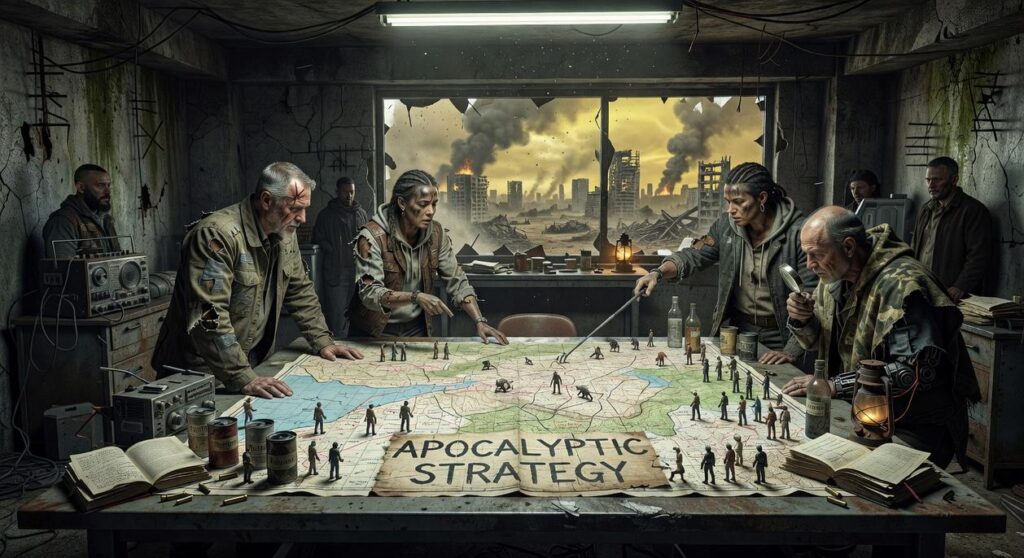
If you’re searching for deeper insight into biohazard game mechanics, evolving level design, and post-apocalyptic innovation, you’re likely looking for more than surface-level tips. You want to understand how these systems actually work together—how resource scarcity shapes tension, how environmental storytelling drives player decisions, and how sound design in video games amplifies every threat, clue, and emotional beat.
This article breaks down the core mechanics behind modern biohazard gameplay, explores how level design has evolved to heighten immersion, and reveals practical in-game resource strategies that can dramatically improve survival outcomes. We draw from extensive gameplay analysis, hands-on testing of emerging design frameworks, and insights gathered from active development communities focused on post-apocalyptic systems.
Whether you’re a player refining your strategy or a designer studying genre innovation, you’ll gain clear, actionable insights grounded in real mechanics—not theory. Let’s examine what truly makes these worlds feel alive, hostile, and unforgettable.
Mastering Biohazard Game Mechanics for Post-Apocalyptic Dominance

You set out to understand how biohazard mechanics, evolving level design, and resource strategy shape survival in post-apocalyptic games—and now you have the blueprint. From adaptive environments to calculated scarcity and the critical role of sound design in video games, you’ve seen how every system works together to create tension, immersion, and strategic depth.
The real challenge was never just surviving the wasteland. It was avoiding wasted resources, missed environmental cues, and poorly planned progression that stalls momentum and breaks immersion. With the right mechanics and design awareness, those pain points become advantages.
Now it’s time to act. Apply these strategies to your next build, refine your level flow, and stress-test your resource loops under real player conditions. If you want deeper breakdowns, advanced design insights, and proven post-apocalyptic systems trusted by serious game innovators, explore more expert analyses and implementation guides today. Level up your survival design—start building smarter now.
By understanding the subtle nuances of sound design, players can enhance their decision-making skills in games, as explored further in our article on Gaming Hacks Etesportech.
 There is a specific skill involved in explaining something clearly — one that is completely separate from actually knowing the subject. Xyphara Durnhanna has both. They has spent years working with game industry buzz in a hands-on capacity, and an equal amount of time figuring out how to translate that experience into writing that people with different backgrounds can actually absorb and use.
Xyphara tends to approach complex subjects — Game Industry Buzz, Post-Apocalyptic Game Engine Innovations, Biohazard Game Mechanics and Strategy being good examples — by starting with what the reader already knows, then building outward from there rather than dropping them in the deep end. It sounds like a small thing. In practice it makes a significant difference in whether someone finishes the article or abandons it halfway through. They is also good at knowing when to stop — a surprisingly underrated skill. Some writers bury useful information under so many caveats and qualifications that the point disappears. Xyphara knows where the point is and gets there without too many detours.
The practical effect of all this is that people who read Xyphara's work tend to come away actually capable of doing something with it. Not just vaguely informed — actually capable. For a writer working in game industry buzz, that is probably the best possible outcome, and it's the standard Xyphara holds they's own work to.
There is a specific skill involved in explaining something clearly — one that is completely separate from actually knowing the subject. Xyphara Durnhanna has both. They has spent years working with game industry buzz in a hands-on capacity, and an equal amount of time figuring out how to translate that experience into writing that people with different backgrounds can actually absorb and use.
Xyphara tends to approach complex subjects — Game Industry Buzz, Post-Apocalyptic Game Engine Innovations, Biohazard Game Mechanics and Strategy being good examples — by starting with what the reader already knows, then building outward from there rather than dropping them in the deep end. It sounds like a small thing. In practice it makes a significant difference in whether someone finishes the article or abandons it halfway through. They is also good at knowing when to stop — a surprisingly underrated skill. Some writers bury useful information under so many caveats and qualifications that the point disappears. Xyphara knows where the point is and gets there without too many detours.
The practical effect of all this is that people who read Xyphara's work tend to come away actually capable of doing something with it. Not just vaguely informed — actually capable. For a writer working in game industry buzz, that is probably the best possible outcome, and it's the standard Xyphara holds they's own work to.