
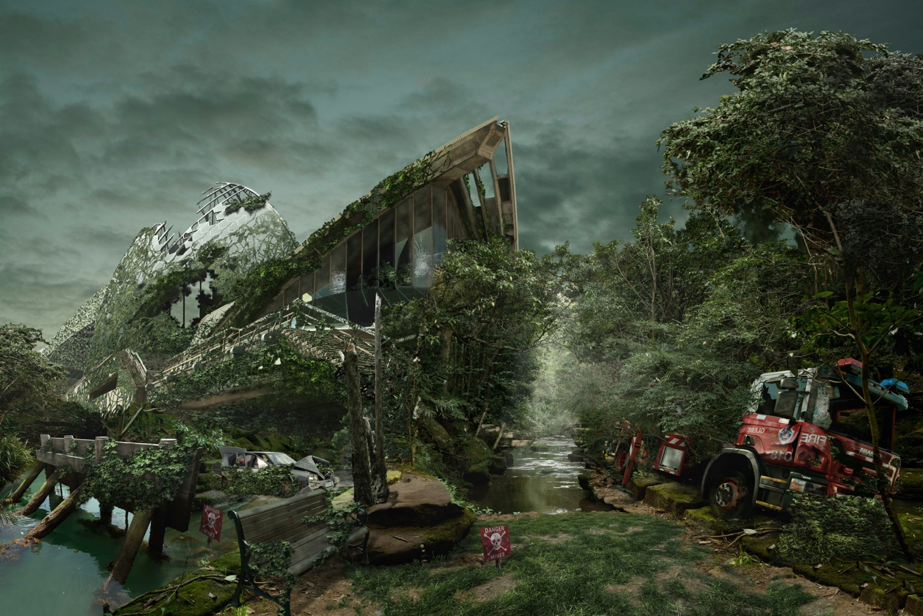
eGaming continues to expand at a rapid pace, with the global iGaming market expected to reach a value of $125.6 billion by 2027. This growth is driven by advances in technology, increased mobile access, and evolving player expectations. As the industry develops, themes and mechanics from traditional video games are beginning to influence how eGames are designed. One of the most interesting directions is the growing overlap between eGames and biohazard-inspired gameplay. Post-apocalyptic settings, environmental hazards, and survival-driven mechanics have already proven their appeal in mainstream gaming. As these ideas continue to evolve, they are beginning to shape the future of eGaming in new and creative ways.
Why Post-Apocalyptic and Hazard-Based Games Are So Popular
Post-apocalyptic and hazard-based games hold strong appeal because they create immersive worlds filled with tension, exploration, and strategy. Players are drawn to environments that feel unpredictable and alive, where every decision carries weight. These settings often include ruined cities, environmental dangers, and resource-driven challenges, which encourage players to think carefully and stay engaged.
These themes also allow developers to build rich narratives and visual styles. From abandoned landscapes to futuristic survival environments, hazard-based worlds create a sense of scale and atmosphere that resonates with players. The emotional engagement that comes from navigating risk-filled environments helps explain why this genre continues to grow in popularity across global gaming markets.
How eGaming Companies Are Adapting These Themes
eGaming providers have already started to integrate post-apocalyptic and hazard-inspired ideas into their content. The Jili games portfolio features several titles that reflect this direction, including Bone Fortune, Zombie Carnival, and Cyber Heist. Each of these games incorporates visual and thematic elements associated with survival, chaos, and futuristic risk environments.
Bone Fortune draws on skeletal and survival imagery, creating a world shaped by decay and hidden rewards. Zombie Carnival introduces a playful yet tense environment where hazard elements are blended with fast-paced gameplay. Cyber Heist brings a futuristic edge, combining digital risk with high-tech environments and strategic decision-making.
These games show how eGames can incorporate strong visual storytelling and thematic depth while maintaining the accessibility and speed that players expect. As demand grows, more developers are likely to explore this direction.
Five Biohazard Game Mechanics That Could Shape eGaming
1. Lighting and Atmosphere Rendering Techniques for Ruined Cities
Lighting plays a central role in shaping how players experience a game. Techniques designed for ruined cities focus on shadows, fog, and dynamic light sources to create depth and realism. This is called physically based rendering (also known as PBR). These systems allow environments to feel immersive and responsive, with lighting changing based on player movement or in-game events.
In eGames, this could enhance visual engagement by creating more atmospheric backgrounds and environments. Players would experience a stronger sense of place, even within short gameplay sessions.
2. Dynamic Destruction Physics
Dynamic destruction physics allows environments to react to player actions. Structures can collapse, objects can break apart, and the environment can shift in real time. This creates a sense of interaction and unpredictability. Unreal Engine’s chaos physics are the prime example of this.
Applied to eGaming, this mechanic could introduce new layers of engagement. Game elements could respond to wins, bonuses, or player decisions, adding visual excitement and reinforcing the connection between gameplay and environment.
3. Environmental Hazard Systems
Environmental hazard systems introduce elements such as toxic zones, unstable terrain, or shifting conditions that influence gameplay. These systems require players to adapt and respond to changing environments.
In eGaming, this could translate into dynamic bonus features or risk-based mechanics where conditions change during gameplay. This would add a strategic element while maintaining fast-paced interaction.
4. Procedural Terrain Generation for Desolate Landscapes
Procedural generation creates environments that change each time a game is played, ensuring every session feels unique and engaging. In hazard-based games, this often results in vast, unpredictable landscapes filled with obstacles and opportunities. Techniques such as Fractal Brownian Motion are used to generate natural-looking terrain by layering noise patterns, producing more detailed and realistic environments that evolve dynamically with each playthrough.
In eGames, procedural systems could be used to vary backgrounds, bonus rounds, or interactive features. This would ensure that gameplay feels fresh and dynamic, encouraging players to return and explore new variations.
5. Resource and Survival-Based Mechanics
Resource management is a core feature of many biohazard-themed games. Players must balance risk and reward while managing limited resources in challenging environments.
For eGames, this could take the form of layered gameplay systems where players make decisions that influence outcomes over time. This approach would add depth while keeping gameplay intuitive and engaging.
Competing With Leading Post-Apocalyptic Video Games
Post-apocalyptic eGames have the potential to reach the same level of engagement as leading titles like Outer Wilds and Dark Souls. These games are known for their immersive worlds, strong atmosphere, and rewarding gameplay systems.
By incorporating advanced mechanics such as dynamic environments, procedural generation, and atmospheric rendering, eGames can create experiences that capture similar levels of player interest. The key lies in adapting these ideas into formats that work within the structure of eGaming, where sessions are often shorter but still require impact and engagement.
Conclusion
The future of eGaming is closely tied to innovation in both technology and design. As biohazard-inspired mechanics continue to influence mainstream gaming, their integration into eGames opens new possibilities for creativity and engagement.
From atmospheric lighting to dynamic environments and evolving gameplay systems, these features have the potential to transform how players interact with eGames. As developers continue to explore this direction, the combination of accessibility and immersive design will shape the next generation of digital gaming experiences.
 Ask Bonnien Hursteanage how they got into in-game resource management hacks and you'll probably get a longer answer than you expected. The short version: Bonnien started doing it, got genuinely hooked, and at some point realized they had accumulated enough hard-won knowledge that it would be a waste not to share it. So they started writing.
What makes Bonnien worth reading is that they skips the obvious stuff. Nobody needs another surface-level take on In-Game Resource Management Hacks, Curious Insights, Post-Apocalyptic Game Engine Innovations. What readers actually want is the nuance — the part that only becomes clear after you've made a few mistakes and figured out why. That's the territory Bonnien operates in. The writing is direct, occasionally blunt, and always built around what's actually true rather than what sounds good in an article. They has little patience for filler, which means they's pieces tend to be denser with real information than the average post on the same subject.
Bonnien doesn't write to impress anyone. They writes because they has things to say that they genuinely thinks people should hear. That motivation — basic as it sounds — produces something noticeably different from content written for clicks or word count. Readers pick up on it. The comments on Bonnien's work tend to reflect that.
Ask Bonnien Hursteanage how they got into in-game resource management hacks and you'll probably get a longer answer than you expected. The short version: Bonnien started doing it, got genuinely hooked, and at some point realized they had accumulated enough hard-won knowledge that it would be a waste not to share it. So they started writing.
What makes Bonnien worth reading is that they skips the obvious stuff. Nobody needs another surface-level take on In-Game Resource Management Hacks, Curious Insights, Post-Apocalyptic Game Engine Innovations. What readers actually want is the nuance — the part that only becomes clear after you've made a few mistakes and figured out why. That's the territory Bonnien operates in. The writing is direct, occasionally blunt, and always built around what's actually true rather than what sounds good in an article. They has little patience for filler, which means they's pieces tend to be denser with real information than the average post on the same subject.
Bonnien doesn't write to impress anyone. They writes because they has things to say that they genuinely thinks people should hear. That motivation — basic as it sounds — produces something noticeably different from content written for clicks or word count. Readers pick up on it. The comments on Bonnien's work tend to reflect that.