
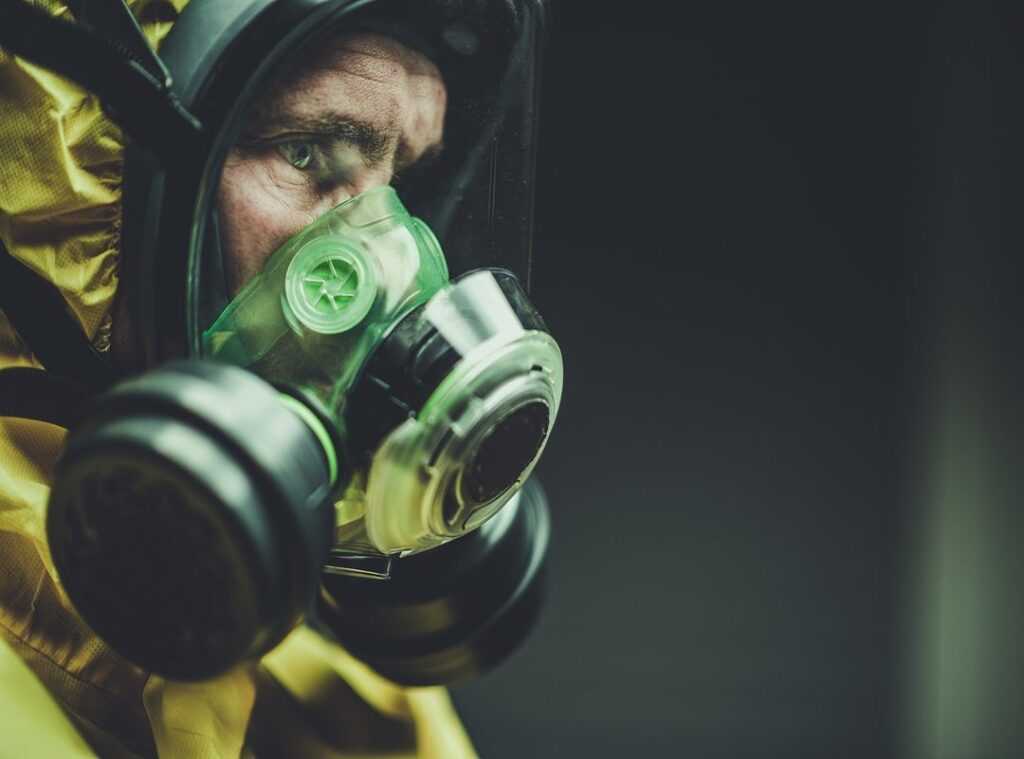
The air crackles with an unseen threat. Your Geiger counter screams. One wrong move means infection, and it’s game over.
Too many players stumble into these digital wastelands, underestimating the complexities of in-game biohazards. It’s frustrating to watch. Why do so many fail?
Misunderstanding the rules is a killer. Trust me, I’ve been there. After analyzing countless containment breach scenarios and surviving decades of digital apocalypses, I’ve learned a thing or two.
You need biohazard survival tips that work within these game worlds. Forget real-world safety protocols; this is a different beast. This guide delivers the definitive set of guidelines to master contaminated environments.
Whether it’s choosing the right gear or neutralizing mutated threats, you’ll find it here. Ready to outsmart the apocalypse?
Level 1 Clearance: Core Principles of Contamination Control
Let’s talk about in-game biohazards. These aren’t just random nuisances; they’re core game mechanics that can make or break your experience. Biohazard survival tips are key here. You need to know what’s coming at you.
Environmental hazards are the lurking monsters. Think irradiated zones, toxic spills, and those spore-filled rooms that make the air look like a foggy nightmare. They manifest as visual haze, creepy audio cues, or HUD warnings.
And the status effects? They’re brutal. Damage over time, slowed movement, distorted vision.
All designed to mess with your game rhythm. But that’s the thrill, right?
Transmission vectors are another beast. Airborne threats need masks. Contact-based contaminants?
Full suits. Injected bio-agents, usually from some nasty enemy attack, are a whole other level. Each requires its own countermeasure.
Without them, you’re toast.
Then we have status effects like ‘Infection,’ ‘Poison,’ ‘Radiation Sickness,’ and ‘Mutation.’ They’re not just annoyances. They progress, draining health or reducing stamina. Sometimes, they even lead to a unique ‘game over’ state.
Ever had your vision blur out just as you’re about to win? It’s maddening.
If you’re serious about mastering these games, check out the advanced strategies biohazard game victory. It’s a game-changer.
In the end, understanding these principles isn’t just about survival. It’s about dominance. Knowing what’s around the corner gives you an edge.
And who doesn’t want that?
Armory & Loadout: Your First Line of Defense
Choosing the right gear can be the difference between life and death in a biohazard scenario. The right equipment is your shield, your sanctuary.
Respirators and Gas Masks: Filtering the Apocalypse
Let’s start with the basics. Respirators and gas masks are your best bet against airborne threats. They block out harmful particles, but come with their own set of issues. Ever tried running with one on?
Limited visibility, breathing like Darth Vader. It’s a trade-off. But it’s a trade-off worth making when facing toxic air.
The filters in these masks are like resources you have to manage. You can’t afford to run out when you’re knee-deep in spores. So, choose wisely, and keep an eye on filter durability.
Hazmat Suits: Your Second Skin
Hazmat suits are categorized by tiers. Basic contamination suits handle low-level chemical threats. Not bad, if you don’t mind feeling like you’re wrapped in a plastic bag.
For tougher conditions, go for reinforced environmental suits. They protect against radiation and extreme environments. But if you’re looking for combat durability and protection, nothing beats advanced military-grade bio-armor.
These suits are your personal fortress (just) try not to forget you’re wearing one when you sit down.
Important Consumables: Antidotes, Rad-Kits, and Decontaminants
Now, let’s talk about consumables. Antidotes, Rad-Kits, and decontaminants (each) has its niche. Antidotes are great before a boss fight.
You don’t want to be fumbling for one in the middle of chaos. Rad-Kits? Perfect for when you’re navigating radiated zones.
Decontaminants are your go-to for clearing toxins from your system. Carrying a mix is key. You never know what might hit you next.
For more biohazard survival tips, check out this guide. It dives into the nitty-gritty of staying alive when the world wants you dead.
There it is. Your gear, your lifeline.
Bio-Organic Nightmares: Your Guide to Surviving BOWs
Facing bio-organic weapons (BOWs) in the field isn’t just about brute force. It’s about survival tactics, and that starts with understanding what you’re up against. When I think of the typical shambling horde, it’s all about crowd control.

Why waste precious ammo when you can funnel them into a bottleneck or use environmental traps? You’ve got to keep your head on a swivel and know your surroundings.
Now, let’s talk about those specialized strains. The ‘Spitters’ (they’re) the ones you don’t want to get too close to. Ever been hit by a bio-projectile?
It’s not fun. Keep a safe distance and aim for their weak spots. Then there are the ‘Bloaters’.
They contaminate the area on death (walk through that and you’re done). Best way to handle these? Pick them off from a distance and avoid the blast zone.
And never underestimate the ‘Hunters’. These fast-moving vectors of infection will have you cornered if you’re not quick on your feet. Here’s a pro tip: watch their movements, dodge, and hit them hard when you see an opening.
And for these types, the right weapon choice is key. Think about it. Would you bring a knife to a gunfight?
Now, for the apex predators. If you’re not prepared, you’re toast. Recognizing their attack patterns is key.
And if you can understand the environment’s impact on these beasts, you’ll have the upper hand. Gear up properly before engagement. You wouldn’t believe how many players fail because they didn’t prepare.
For a deeper dive, check out understanding biohazard game physics. It’s a game-changer for mastering these encounters. These biohazard survival tips aren’t just theory; they’re essentials for anyone serious about surviving in a bio-threat zone.
Advanced Protocols: Navigating Hot Zones
When it comes to biohazard survival tips, the key is flipping from panic mode to a calculated approach. It’s all about reading your environment like a map. Have you ever noticed how games use decaying plants or that weird buzz in the air?
Those aren’t just design choices. They’re warning signs screaming at you to pay attention.
Before you even think about stepping into a high-threat area, your pre-entry gear check better be on point. Miss one thing, and you’re toast. Got your path laid out on the map?
Good. Because once you’re in, resource management isn’t just a suggestion. It’s survival (like that time I tried to ration grenades and failed miserably).
Extraction points are your lifeline. Ignore them, and you’re stuck. But let’s talk decontamination.
It’s not a game gimmick. Those in-game showers or arches? They’re key.
So what’s next? Keep an eye on future trends in level design. Look for more immersive cues that will demand even sharper instincts.
They reset your gear and wipe those nasty status effects that cling like the last song stuck in your head.
You’ve got to stay one step ahead, always. Pro tip: never underestimate the power of sound.
Gear Up and Dominate the Zone
Biohazards in games aren’t just deadly; they’re predictable once you know the rules. You’ve got the complete tactical system now. No longer a victim, you’re becoming the master.
Internalize these strategies, from gear choices to understanding enemy patterns. Think you’re ready? I know you are.
Biohazard survival tips are your new best friend. So, what’s next? Gear up. Apply these protocols. Enter the contaminated zone with confidence. Show it what a real survivor looks like. For the ultimate edge, dive into evebiohaztech.net for more takeaways. Ready to dominate? Good luck out there.
 There is a specific skill involved in explaining something clearly — one that is completely separate from actually knowing the subject. Xyphara Durnhanna has both. They has spent years working with game industry buzz in a hands-on capacity, and an equal amount of time figuring out how to translate that experience into writing that people with different backgrounds can actually absorb and use.
Xyphara tends to approach complex subjects — Game Industry Buzz, Post-Apocalyptic Game Engine Innovations, Biohazard Game Mechanics and Strategy being good examples — by starting with what the reader already knows, then building outward from there rather than dropping them in the deep end. It sounds like a small thing. In practice it makes a significant difference in whether someone finishes the article or abandons it halfway through. They is also good at knowing when to stop — a surprisingly underrated skill. Some writers bury useful information under so many caveats and qualifications that the point disappears. Xyphara knows where the point is and gets there without too many detours.
The practical effect of all this is that people who read Xyphara's work tend to come away actually capable of doing something with it. Not just vaguely informed — actually capable. For a writer working in game industry buzz, that is probably the best possible outcome, and it's the standard Xyphara holds they's own work to.
There is a specific skill involved in explaining something clearly — one that is completely separate from actually knowing the subject. Xyphara Durnhanna has both. They has spent years working with game industry buzz in a hands-on capacity, and an equal amount of time figuring out how to translate that experience into writing that people with different backgrounds can actually absorb and use.
Xyphara tends to approach complex subjects — Game Industry Buzz, Post-Apocalyptic Game Engine Innovations, Biohazard Game Mechanics and Strategy being good examples — by starting with what the reader already knows, then building outward from there rather than dropping them in the deep end. It sounds like a small thing. In practice it makes a significant difference in whether someone finishes the article or abandons it halfway through. They is also good at knowing when to stop — a surprisingly underrated skill. Some writers bury useful information under so many caveats and qualifications that the point disappears. Xyphara knows where the point is and gets there without too many detours.
The practical effect of all this is that people who read Xyphara's work tend to come away actually capable of doing something with it. Not just vaguely informed — actually capable. For a writer working in game industry buzz, that is probably the best possible outcome, and it's the standard Xyphara holds they's own work to.